A logo is one part of a brand, not a substitute for knowing why someone should choose it. Before building a store, establish a few decisions that will guide the product pages, packaging and marketing. A small, usable identity system is often more helpful than a large presentation that nobody applies.
Define the audience and the buying reason
Describe the person you want to serve, the problem your products solve and the alternatives they already consider. Avoid positioning that could belong to any store, such as “quality products at great prices”. Identify the specific qualities you can genuinely demonstrate.
Turn those decisions into a short positioning statement for your team. It need not appear verbatim on the homepage. Its purpose is to make design and copy choices coherent, from the first advertisement to the order confirmation.
Build a visual system that works in real places
Test the identity at the sizes and formats you will actually use: a mobile header, social avatar, product label and email. A detailed mark that works on a presentation slide may be unreadable on a small screen.
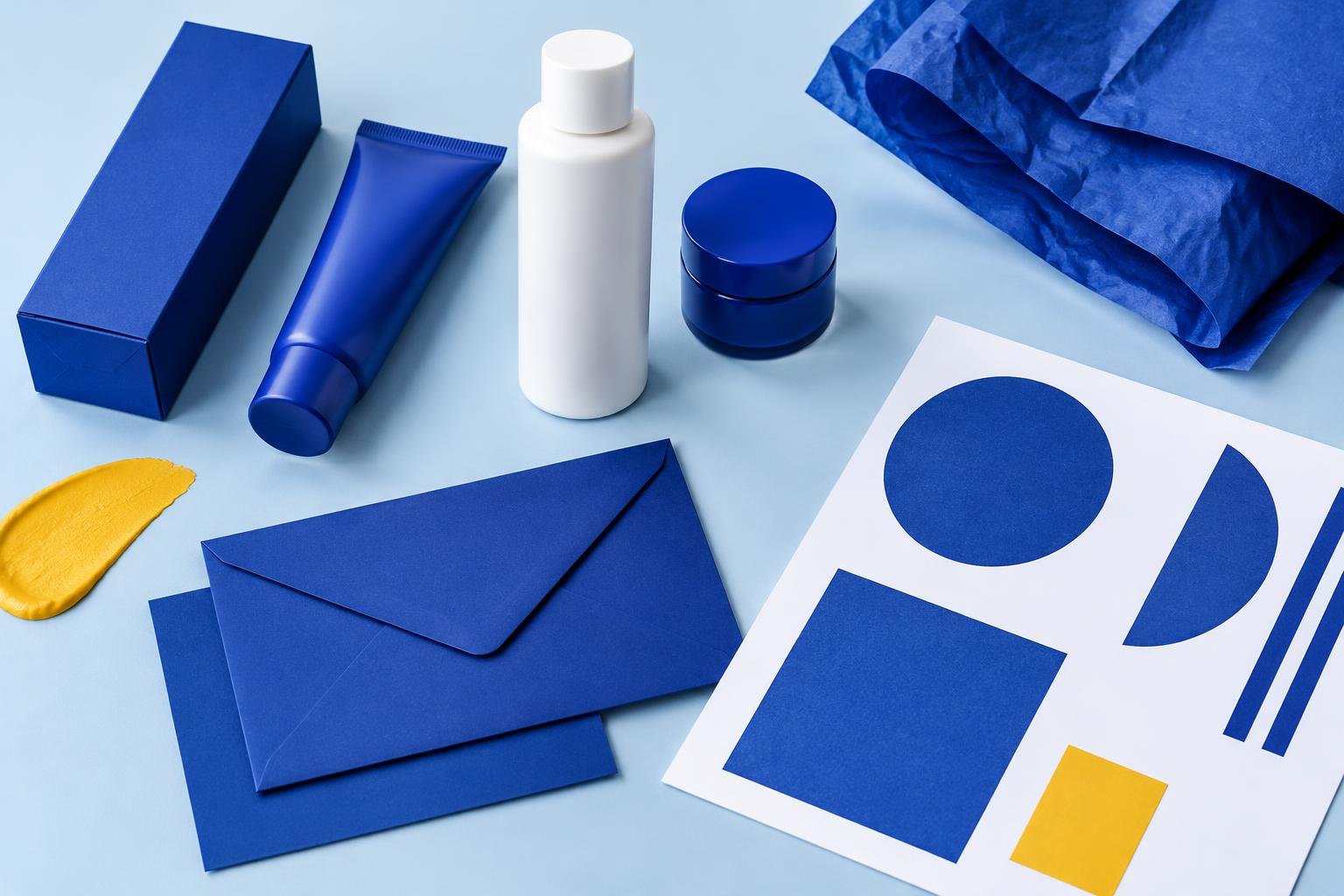
Define a practical colour palette, type hierarchy and image direction. Check text contrast and readable font sizes instead of assuming a stylish layout is accessible. Keep editable assets and usable file formats available to the people creating everyday content.
- Primary logo and a suitable small-format version
- Colour and typography guidance with readable combinations
- Product photography and image-cropping direction
- Simple templates for recurring social and email content
- Clear ownership and licensing records for creative assets
Make the product story visible
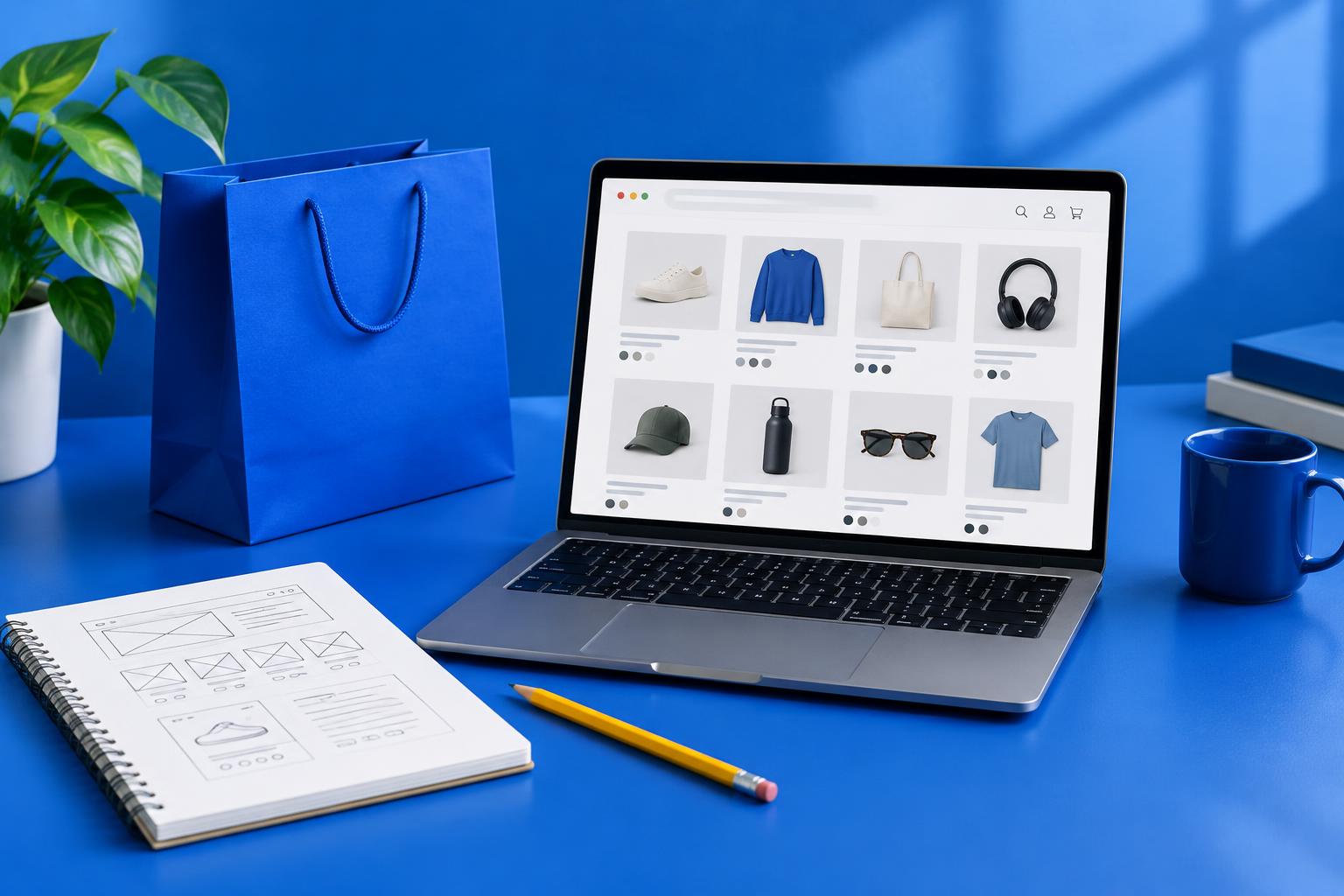
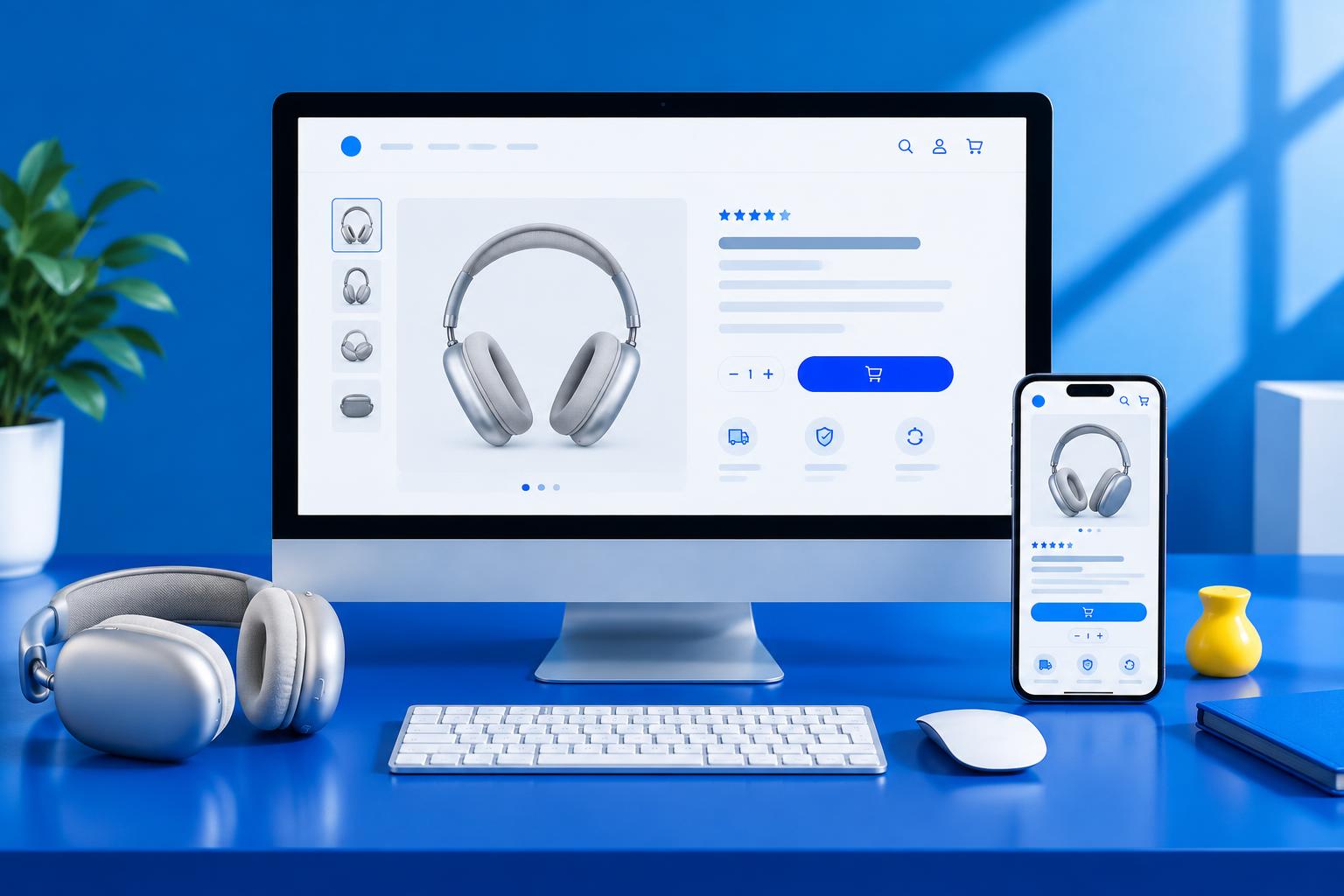
Photography should help people inspect what they are buying, not only convey a mood. Show scale, texture and relevant details. Where a lifestyle image adds context, pair it with clear views of the actual product.
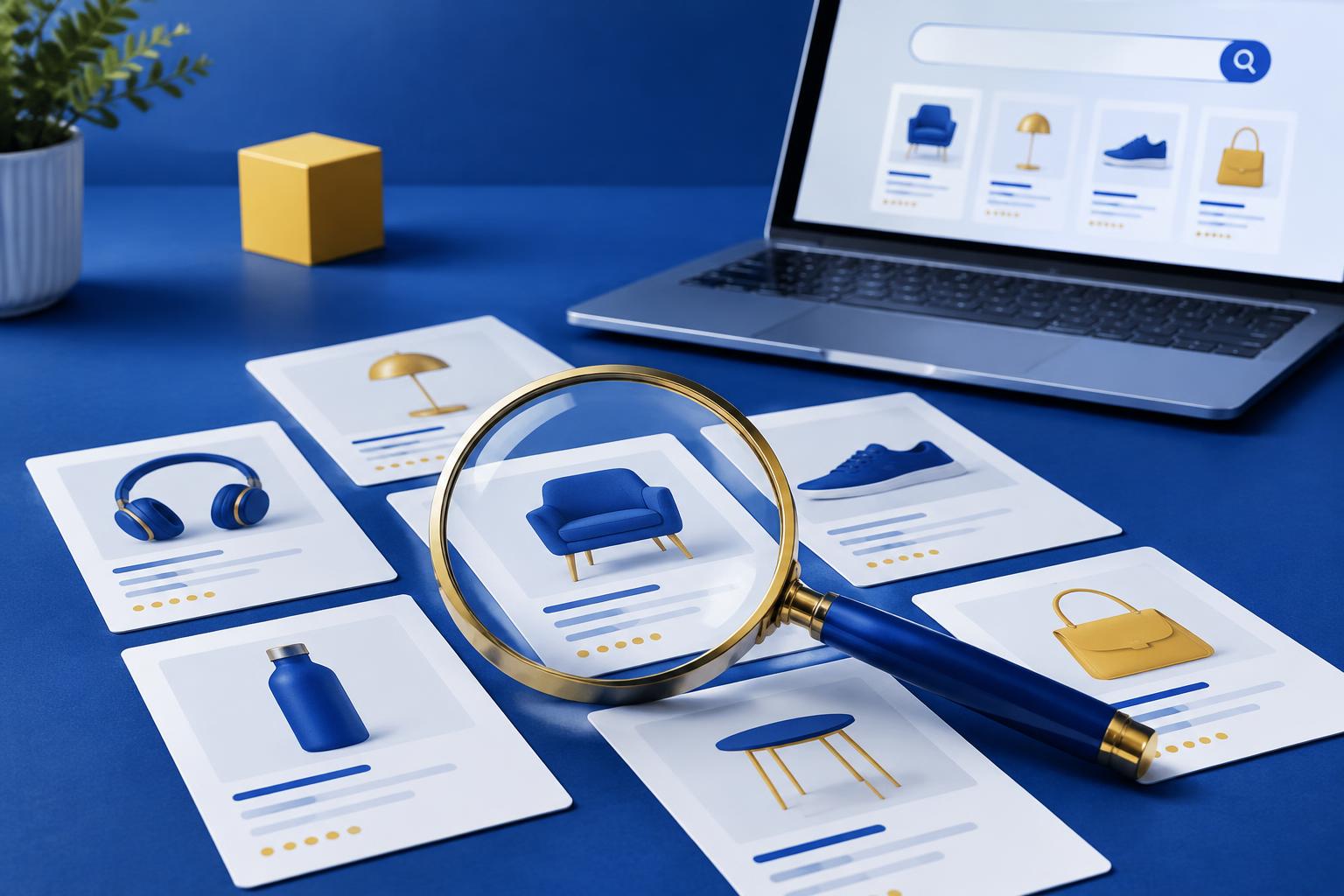
Illustrative concepts and AI-generated visuals need careful handling. They can support editorial ideas or design exploration, but should not misrepresent a product, a customer endorsement or completed client work. Use truthful product information and label illustrative imagery when it could otherwise be mistaken for evidence.
Write a voice your team can repeat
Choose a small number of voice principles and show examples. “Direct, warm and specific” becomes useful when you demonstrate how it applies to a product description, a delivery update and a support reply.
Consistent language matters most where customers need confidence. Explain delivery, returns and contact options plainly. Avoid making sustainability, performance or origin claims that your business cannot substantiate. Strong branding should make a promise understandable, not exaggerate it.
Connect the identity to the whole launch
Review the store, social profiles, packaging and customer emails together. They need not look identical, but they should feel like the same business. Check that the identity still works with real catalogue content rather than idealised mock-ups.
A branding brief should explain which assets the launch needs and who will produce them. Meshhoney’s branding and creative service covers identity, design and campaign assets, alongside Shopify development when the store is part of the same project. Agree the deliverables before design begins so the launch team receives what it actually needs.
Build a brand your team can use consistently and your customers can recognise, with every promise grounded in the real product.
Put your next idea into motion.
Tell us about your business and what you want to achieve. We’ll discuss the right scope for your project.
Discuss your projectFind your project direction